This success paves the way for finalising the necessary technical specifications and accelerating eCMR adoption. Importantly, it contributes to the harmonised digitalisation of transport documentation, which together with the electronic FIATA Multimodal Transport Bill of Lading (eFBL), facilitate enhanced cross-border efficiency and acceptance. Once complete, this work will enable eCMR solutions to be offered on the market - a significant milestone for the eCMR.
What practical benefits will freight forwarders gain from eCMR adoption?
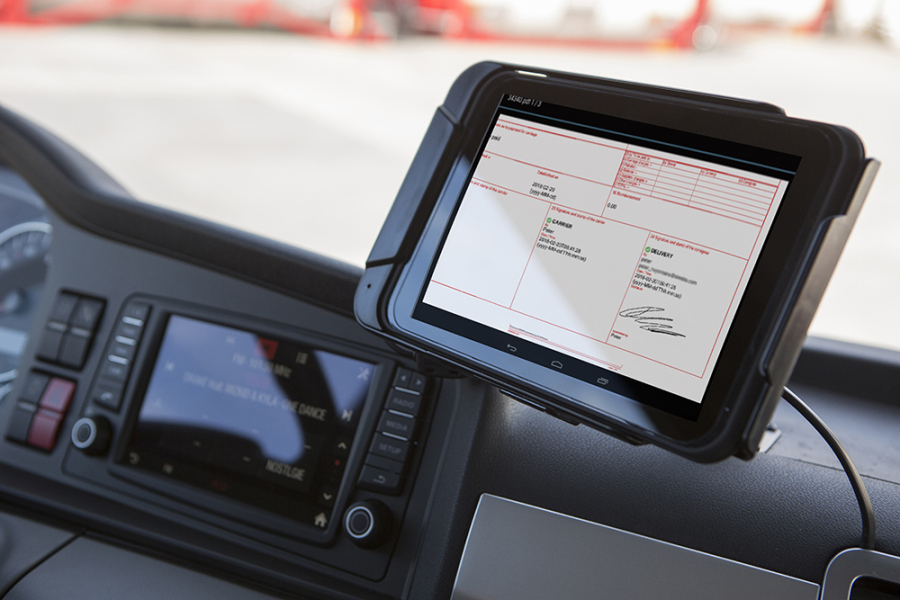
The digital consignment note (eCMR) is a key step towards modernising freight transport, enabling the secure exchange of transport data in an electronic format. While the adoption of eCMR remains voluntary, territories and companies that opt in gain a strategic advantage by embracing digital workflows that simplify processes and enhance connectivity across borders. For freight forwarders, the shift to eCMR is not simply about replacing paper but it also offers a smarter, more efficient way to manage transport operations.
Key benefits of eCMR adoption for freight forwarders include:
- Reduced paperwork through faster, digital document processing
- Improved accuracy with fewer errors from manual data handling
- Real-time tracking for greater visibility across the transport chain
- Simplified customs clearance through digital document availability
- Faster deliveries leading to enhanced customer satisfaction
- Greater efficiency and alignment with international digital standards
How did FIATA contribute to the success of GE.22?
FIATA actively contributed to the work of GE.22 across all sessions of this expert group, serving, alongside the International Road Transport Union (IRU), as the only private sector organisations formally involved in the negotiations. FIATA and IRU worked closely together to ensure a united voice that represented practical industry needs, successfully contributing to a workable and forward-looking consensus.
FIATA consistently emphasised the relevance of eCMR as a practical response to today’s logistics challenges, supporting progress towards more streamlined and digitalised transport operations. This outcome reflects FIATA’s ongoing commitment to working alongside key stakeholders and driving meaningful change for its global membership.
What is the situation in Bulgaria?
The Republic of Bulgaria has ratified the Additional Protocol to the CMR Convention on the electronic consignment note and it entered into force on 05.06.2011. This was an important step towards the digitalization of logistics processes and increasing efficiency in the sector. However, to date, there has been no significant progress in its actual implementation in practice. A number of Bulgarian governments have officially announced the adoption of measures to integrate eCMR into national legislation, but in reality there is still no such measure. Only in the last two years have attempts begun to update the Road Transport Act (RTA) in order to comply with the requirements of Regulation (EU) 2020/1056 on electronic freight transport information (eFTI), but to date they have not been approved by the Bulgarian Parliament.
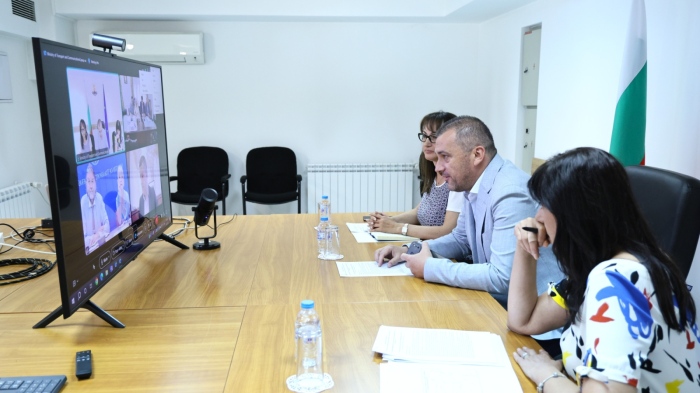
Back in 2020, the Bulgarian National Freight Forwarding Association (NSBS) emphasized that the introduction of eCMR and eFBL is a focus of the organization, but despite the active dialogue with various ministers and institutions, there is still no visible progress on this topic.
“The problem is understood, but there are no results.” – Tsvetin Todorov, Chairman of the Board of Directors of NSBS.
In July 2025, another draft amendment to the ZAP was published on the website of the Ministry of Transport, in whose §16 it is clearly stated: “… the use of an electronic waybill is introduced, which will perform the same functions as the paper waybill.” Everyone in the industry expects the legal regulation of eCMR in Bulgaria, as this will contribute to the digitalization of road transport, reducing the administrative burden and improving the efficiency and sustainability of logistics, and hence reducing costs for small and medium-sized enterprises.